Is Roselle Tea Pregnancy Safe? – This is a topic of growing interest among expectant mothers seeking natural beverages to support health during gestation. As herbal teas gain popularity for their purported medicinal and wellness properties, questions arise about the safety, efficacy, and specific benefits of drinks such as roselle tea—especially during pregnancy, a period marked by heightened nutritional needs and vulnerability to dietary risks. This paper provides a comprehensive, evidence-based review of roselle hibiscus tea (commonly known as roselle tea), exploring its health benefits, potential risks, and practical considerations for pregnant individuals.
Table of Contents
- What Is Roselle Tea? Botanical, Nutritional, and Cultural Overview
- Roselle Hibiscus Tea vs. Hibiscus Tea: Are They the Same?
- Health Benefits of Roselle Tea
- Scientific Evidence on Roselle Tea Benefits
- Roselle Tea Pregnancy: Safety and Precautions
- What Is Roselle Tea Good For in Pregnancy?
- Frequently Asked Questions (FAQ)
- Conclusion
What Is Roselle Tea? Botanical, Nutritional, and Cultural Overview
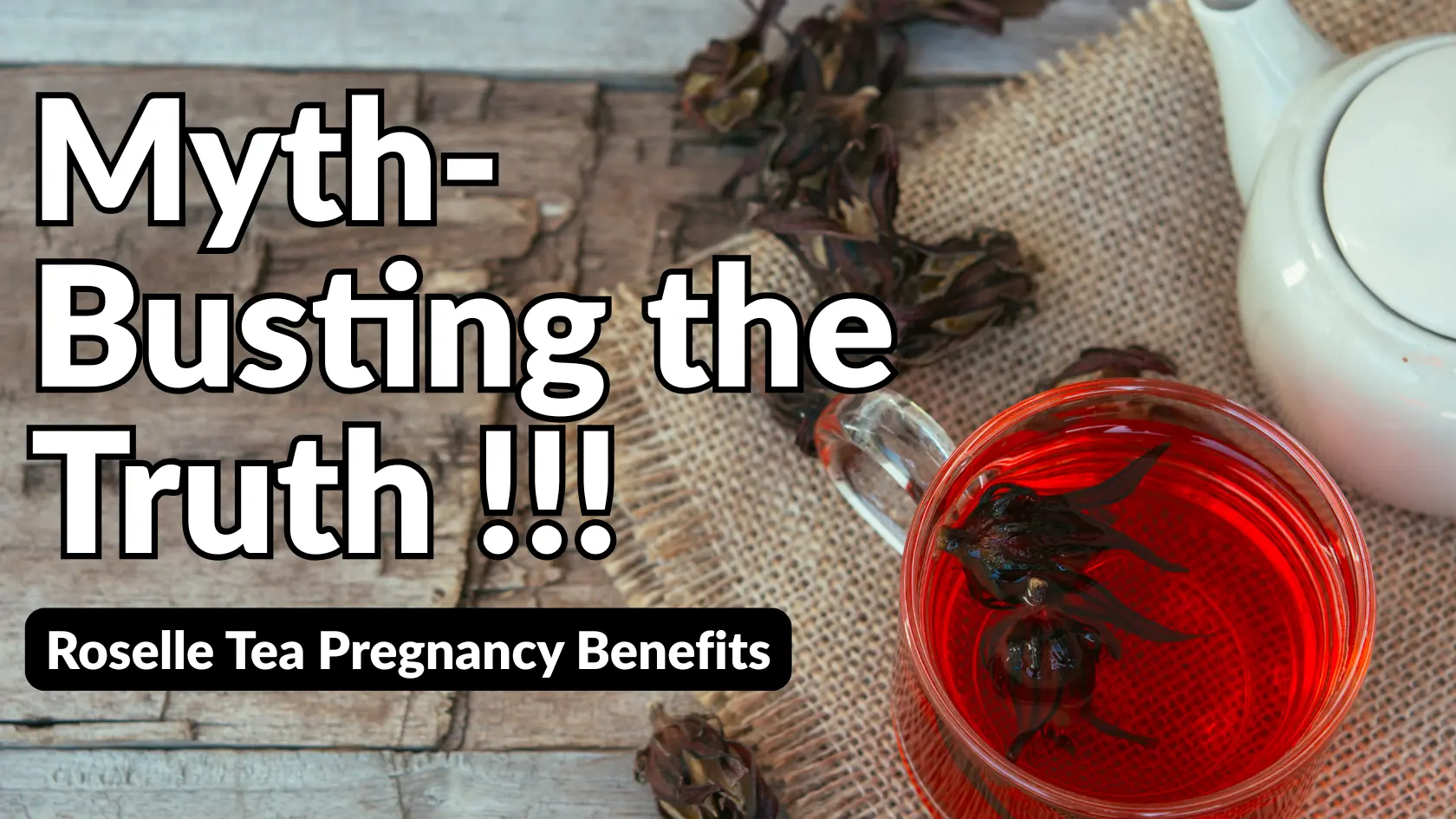
Roselle tea is a vibrant, tart, ruby-red beverage made from the calyces of the Hibiscus sabdariffa plant, also known as hibiscus tea. The plant belongs to the Malvaceae family, and its dried sepals are steeped in hot water to produce a refreshing, tangy infusion. While roselle tea is widely known in many cultures by names like karkade, sorrel, or bissap, it is essentially the same as hibiscus tea. Islam et al. (2016) mentioned Roselle tea nutritional benefits include high antioxidant content and traditional use in folk medicine for managing hypertension, supporting digestion, and providing vitamins like C, calcium, and iron.
Roselle Hibiscus Tea vs. Hibiscus Tea: Are They the Same?
A common question is whether roselle hibiscus tea differs from generic hibiscus tea. Botanically, hibiscus tea typically refers to teas made from the Hibiscus sabdariffa species, which is roselle itself. While the genus Hibiscus has various species, in practice, rosella tea vs hibiscus tea is usually a distinction without much difference, especially in the context of health benefits and safety during pregnancy.
Health Benefits of Roselle Tea
What Is Roselle Tea Good For?
Roselle tea has been widely studied for its potential health-promoting properties. Key benefits of roselle tea include:
Antioxidant Activity
Roselle tea is packed with vitamin C and anthocyanins—both powerful antioxidants. Antioxidants are compounds that help neutralize free radicals, which are unstable molecules that can cause damage to cells and tissues in the body. Free radicals are linked to various health issues, including aging and chronic diseases like cancer. Vitamin C boosts the immune system and promotes skin health, while anthocyanins (the compounds that give roselle tea its vibrant red color) help fight oxidative stress, which is when there’s an imbalance of free radicals and antioxidants in the body.
Cardiovascular Support
Regular consumption of roselle tea may benefit heart health. The antioxidants in roselle tea, especially anthocyanins, help lower blood pressure by relaxing blood vessels. Studies have shown that drinking hibiscus tea, which is made from roselle, can also help lower cholesterol levels, reducing the risk of heart disease. This makes roselle tea an excellent addition to a diet for maintaining healthy cardiovascular function.
Anti-inflammatory Effects
Roselle tea contains polyphenols, a group of naturally occurring compounds with antioxidant and anti-inflammatory properties. Polyphenols have been shown to reduce inflammation in the body, which is important for preventing chronic diseases like arthritis, heart disease, and diabetes. Inflammation is a normal immune response, but when it becomes chronic, it can contribute to various health conditions. By modulating inflammation, roselle tea helps maintain a healthier, balanced immune system.
Digestive Aid
Traditionally, roselle tea has been used to promote digestive health. It acts as a gentle diuretic, meaning it helps increase the production of urine and flush out excess water and toxins from the body. This can help relieve mild digestive discomfort such as bloating and indigestion. Additionally, the tea has soothing properties that support the digestive tract, promoting better digestion and overall gut health.
Scientific Evidence on Roselle Tea Benefits
Antioxidant and Cardiovascular Effects
Roselle tea is rich in anthocyanins and vitamin C, potent antioxidants that help reduce oxidative stress and protect against heart disease. These antioxidants support cardiovascular health by lowering blood pressure and cholesterol levels, promoting better blood flow and heart function. Regular consumption may reduce the risk of heart-related issues, such as atherosclerosis, by improving endothelial function and reducing oxidative damage to blood vessels. This makes roselle tea a natural, heart-healthy drink with additional benefits for those seeking to maintain overall cardiovascular wellness.
Anti-inflammatory Potential
The polyphenols in roselle tea have anti-inflammatory effects that help regulate inflammation in the body. Chronic inflammation is linked to several health conditions, including diabetes, heart disease, and obesity. By modulating inflammatory pathways, roselle tea may reduce the long-term risks of metabolic disorders, which are exacerbated by unchecked inflammation. These properties make roselle tea an effective natural remedy for managing inflammation while supporting overall wellness and helping prevent diseases like arthritis, which are aggravated by persistent inflammation.
Micronutrient Support
Roselle tea provides essential micronutrients like vitamin C, which boosts the immune system and aids in tissue repair. This is especially important during pregnancy, helping the body defend against infections. Vitamin C also plays a critical role in iron absorption, reducing the risk of iron-deficiency anemia, a common condition in pregnancy. Additionally, the tea’s antioxidants contribute to maintaining skin health, fighting off oxidative damage.
Roselle Tea Pregnancy: Safety and Precautions
Is Roselle Tea Safe During Pregnancy?
The literature on the safety of roselle tea pregnancy is limited, and while hibiscus extracts (including roselle tea) are generally regarded as safe for most adults, there are important considerations for pregnant individuals:
Limited Research
While some research on roselle tea during pregnancy exists, it is quite limited, particularly in human studies. Most of the data come from animal studies or anecdotal evidence. Therefore, more clinical research is needed to definitively assess its safety, effects, and potential benefits for pregnant women. The absence of comprehensive data makes it necessary to exercise caution before incorporating it into a pregnancy diet.
Potential Uterotonic Effects
Some studies have raised concerns about the uterotonic effects of hibiscus (roselle) extracts, suggesting that high doses could stimulate the uterus. These effects, though not conclusively proven in humans, could potentially lead to preterm contractions or even miscarriage, particularly if consumed excessively. The uterotonic properties are more likely to be observed with concentrated extracts or in high quantities, which pregnant women should avoid to err on the side of caution.
Animal Studies
Animal studies have shown that high doses of hibiscus extracts can lead to changes in reproductive hormones and possibly increase the risk of miscarriage or preterm labor. However, it’s important to note that these studies involved doses far greater than those typically consumed in tea form, which means their relevance to human consumption at normal levels is still uncertain. These studies underscore the need for further research in humans before making broad conclusions about safety.
Moderate Consumption is Key
While there are concerns surrounding high doses, moderate consumption of roselle tea during pregnancy is generally considered safe for most women. Drinking one cup a day of diluted tea is unlikely to cause significant harm. In fact, roselle tea offers beneficial nutrients like vitamin C, iron, and antioxidants, which can support maternal health. However, it is crucial to stick to moderate amounts and always listen to healthcare professionals’ advice based on your personal health.
Avoid High Concentrations and Extracts
It is essential to avoid concentrated forms of roselle, such as extracts, tinctures, or concentrated syrups, during pregnancy. These concentrated products may contain higher levels of active compounds like anthocyanins and hibiscus acids, which could have more potent effects on the body. Such extracts are typically more concentrated than the tea and may pose risks such as uterine contractions or other hormonal disturbances. Always stick to brewed tea made from high-quality, dried roselle calyces.
Consult Healthcare Providers
As with any new dietary change during pregnancy, it is vital to consult with a healthcare provider before introducing roselle tea or any herbal supplement. A doctor or midwife can evaluate your individual health profile, including any pre-existing conditions, medications, or potential pregnancy complications. This consultation ensures that roselle tea won’t interact with other treatments or adversely affect your health or the baby’s development. Personalized advice is crucial for making safe, informed decisions during pregnancy.
Moderation is Safe
If your doctor approves roselle tea in moderation, consuming one cup per day can offer health benefits without significant risks. This moderate intake provides antioxidants, vitamin C, and hydration, which are beneficial during pregnancy. Moderation ensures that you enjoy the tea’s benefits without overloading your system with potentially harmful compounds. Always prioritize small, controlled amounts of herbal teas during pregnancy, especially if there’s any uncertainty about their safety.
Practical Recommendations for Pregnant Women
Limit intake
Pregnant women should consume roselle tea in moderate amounts and only occasionally. While roselle tea offers various health benefits, its potential uterotonic effects, as shown in some animal studies, suggest that moderation is key during pregnancy to avoid any adverse effects on the uterus or hormones.
Avoid during early pregnancy
Women with a history of miscarriage or preterm labor should consider avoiding roselle tea, particularly during the first trimester. This is due to concerns raised by some studies suggesting that high doses of hibiscus extracts may have uterine-stimulating properties, potentially leading to complications. It’s safer to err on the side of caution during the early stages of pregnancy, when fetal development is most vulnerable.
Consult healthcare providers
Before adding any new herbal tea, including roselle tea, to your diet, it is essential to discuss it with an obstetrician or midwife. A healthcare provider can provide personalized advice, taking into account your specific health history, any pre-existing conditions, and the medications you may be taking, ensuring that roselle tea is safe for you during pregnancy.
What Is Roselle Tea Good For in Pregnancy?
While roselle tea offers antioxidant support, gentle hydration, and essential micronutrients, it should not be used as a replacement for prenatal vitamins or other pregnancy-specific supplements. It can be enjoyed as an occasional, flavorful alternative to sugary drinks and caffeinated teas.
Frequently Asked Questions (FAQ)
- Is Roselle Tea the Same as Hibiscus Tea?
Yes, roselle tea and hibiscus tea are essentially the same, made from Hibiscus sabdariffa. - Can I Drink Roselle Tea During Pregnancy?
Not recommended. But, Yes only after moderation and with the approval of a healthcare provider. - Does Roselle Tea Cause Miscarriage or Preterm Labor?
No conclusive evidence links roselle tea to miscarriage or preterm labor, but caution is advised due to theoretical risks.
Conclusion
Roselle tea pregnancy benefits remain a topic of cautious interest. While it offers antioxidant support and hydration, evidence for its safety and efficacy during pregnancy is limited. Moderation, consultation with healthcare providers, and a focus on balanced nutrition should guide its consumption during pregnancy.
Explore more on Pregnancy Must –