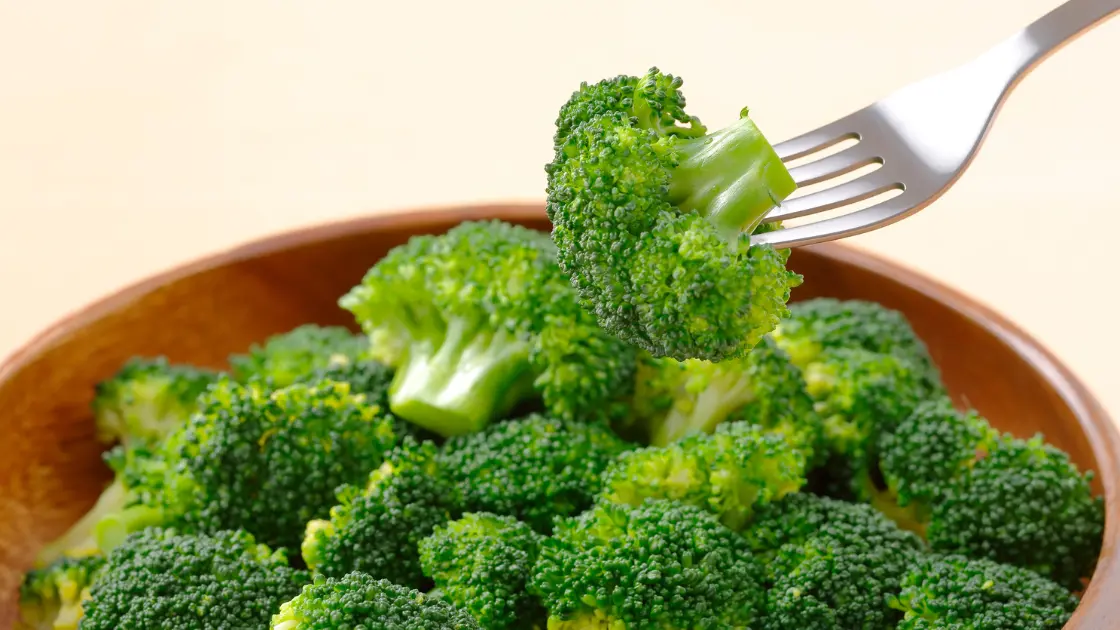

Broccoli in pregnancy is one of the healthiest choices an expecting mom can make. This green, crunchy vegetable is loaded with vitamins, minerals, and antioxidants that help you and your growing baby stay strong and healthy. Whether you love it steamed, stir-fried, or added to soups, broccoli during pregnancy offers countless benefits. Let’s go for a nutritional investigation on broccoli in pregnancy. Is it really worth being on to be moms plate?
Table of Contents
- Why Broccoli Is Good for Pregnancy
- Nutritional Value of Broccoli
- Benefits of Eating Broccoli During Pregnancy
- Broccoli During Pregnancy: First Trimester Nutrition
- Can Pregnant Women Eat Broccoli Every Day?
- How to Eat Broccoli During Pregnancy
- Possible Side Effects of Eating Too Much Broccoli
- Cooking Tips to Keep Broccoli Nutrients Intact
- Broccoli and Folic Acid: A Perfect Duo
- Broccoli for Pregnancy Weight Management
- Organic vs. Non-Organic Broccoli in Pregnancy
- Broccoli Sprouts During Pregnancy
- FAQs About Broccoli in Pregnancy
- Final Thoughts: Why Broccoli Is a Pregnancy Superfood
Why Broccoli Is Good for Pregnancy
Eating broccoli for pregnancy isn’t just about nutrition—it’s about supporting your baby’s healthy growth and making your body feel its best. Broccoli belongs to the cruciferous family, which includes cauliflower, kale, and cabbage. It’s rich in essential nutrients like:
- Folate (Vitamin B9) – crucial for baby’s brain and spinal development
- Calcium – supports bone and teeth formation
- Iron – helps prevent anemia in expecting mothers
- Vitamin C – boosts immunity and enhances iron absorption
- Fiber – aids digestion and prevents constipation
These nutrients make broccoli during pregnancy a natural prenatal powerhouse.
Nutritional Value of Broccoli
A one-cup serving (about 90 grams) of cooked broccoli provides:
Nutrient Amount Benefits in Pregnancy
|
Nutrient |
Amount |
Benefits in Pregnancy |
|
Calories |
55 |
Low-calorie, nutrient-dense |
|
Protein |
4.6 g |
Helps in baby’s tissue development |
|
Fiber |
5 g |
Aids digestion and prevents constipation |
|
Folate |
78 mcg |
Supports neural tube formation |
|
Vitamin C |
101 mg |
Boosts immunity |
|
Calcium |
62 mg |
Strengthens bones |
|
Iron |
1 mg |
Prevents anemia |
|
Potassium |
457 mg |
Maintains fluid balance |
No wonder broccoli is good for pregnancy—it’s like nature’s multivitamin!
Benefits of Eating Broccoli During Pregnancy
1. Boosts Fetal Development
Broccoli in pregnancy is rich in folate, one of the most important nutrients for your baby’s early growth. According to a review article published in Reviews in Obstetrics and Gynecology, folic acid supplementation serves a crucial role in pregnancy health other than avoiding neural tube abnormalities (Greenberg et al., 2011). Folate promotes the development of the brain, spinal cord, and neural tube, lowering the chance of birth abnormalities such as spina bifida. Along with folate, broccoli contains vital minerals and vitamins that support growing cells and tissues.
2. Prevents Anemia
Iron deficiency or anemia is a common condition during pregnancy, frequently leading to weariness and weakness. In a reseach article published by Journal of Nutriotiona Explorations mentioned that Broccoli provides plant-based iron, and its high vitamin C content improves iron absorption in your body. This combination supports healthy hemoglobin production, ensuring that both you and your baby receive enough oxygen for proper development (Putra et. al, 2024). Regularly eating broccoli during pregnancy can help maintain your energy levels, reduce tiredness, and support overall vitality throughout all three trimesters.
3. Strengthens Bones
Broccoli for pregnancy is an excellent source of calcium and vitamin K, two nutrients that work together to build and maintain strong bones. Calcium helps form your baby’s skeleton and teeth, while vitamin K supports proper bone metabolism. These nutrients also help prevent bone weakness and mineral loss in mothers. By adding broccoli to your meals, you’re protecting your own bone health while giving your baby the support needed for healthy skeletal growth and strength.
4. Aids Digestion and Prevents Constipation
Consipation in pregnancy makes the journey even more harder. According an article published on Cureous pregnancy hormones can slow down digestion, leading to uncomfortable bloating and constipation (Sohan & Anupama, 2024). Broccoli’s high fiber content helps regulate bowel movements by keeping your digestive system active and smooth. Fiber also promotes healthy gut bacteria and supports better nutrient absorption. Including broccoli during pregnancy in soups, salads, or stir-fries can help prevent constipation naturally, reduce discomfort, and make you feel lighter.
5. Supports Immune Health
Women like me who’re struggles to maintain health immunity should takebroccoli as first priority as a super food. A strong immune system is must during pregnancy to protect both you and your baby. Broccoli in pregnancy is loaded with vitamin C, antioxidants, and phytonutrients that strengthen your immune defenses. These compounds help your body fight infections, reduce inflammation, and heal faster. Broccoli contains antioxidants that counteract free radicals and protect your cells from damage.
6. Manages Blood Sugar Levels
Controlling blood sugar levels is critical for pregnant women, particularly those with gestational diabetes. Sulforaphane, a chemical molecule present in broccoli sprouts, can drastically improve blood sugar levels. Broccoli is rich in fiber and antioxidants, which slow down sugar absorption and stabilize energy levels. Its low glycemic index helps prevent sudden blood sugar spikes, keeping you fuller for longer. Nutrients like chromium and sulforaphane also improve insulin sensitivity. Adding broccoli during pregnancy to your diet helps maintain balanced glucose levels, supporting a healthy metabolism for both mother and baby.
Broccoli During Pregnancy: First Trimester Nutrition
The first trimester is when your baby’s organs start forming, and folate becomes extra important. Including broccoli during pregnancy first trimester ensures you get enough folate naturally from food.
Tips for the First Trimester
- Eat lightly steamed or boiled broccoli to retain maximum nutrients.
- Pair it with citrus fruits to increase iron absorption.
- Avoid overcooking, as it can destroy vitamins.
Broccoli during pregnancy first trimester is safe and extremely beneficial—it’s one of the best early-pregnancy foods you can eat.
Can Pregnant Women Eat Broccoli Every Day?
Many moms ask, “Can pregnant eat broccoli daily?”
The answer is yes, in moderation. Eating ½ to 1 cup of cooked broccoli per day is perfectly healthy.
Safety Tips:
- Wash broccoli thoroughly to remove pesticides.
- Cook it properly to avoid bacterial contamination.
- Avoid raw broccoli if you have a sensitive stomach—it can cause gas or bloating.
So yes, pregnancy broccoli meals can safely be part of your daily routine.
How to Eat Broccoli During Pregnancy
You can enjoy broccoli in pregnancy in many delicious ways. Here are some safe and healthy recipes and preparation tips.
1. Steamed Broccoli
Steaming broccoli in pregnancy is one of the healthiest methods to eat because it retains the majority of its nutrients, texture, and flavor. Lightly steamed broccoli remains tender but somewhat crisp, making it tasty and simple to digest. To increase vitamin C absorption, drizzle with olive oil or add a sprinkle of lemon juice. Steamed broccoli goes well with rice, grilled chicken, and soups, making it a versatile and nutritious pregnancy side dish.
2. Broccoli Soup
A warm bowl of broccoli soup is comforting, hydrating, and high in critical nutrients for pregnant women. It’s gentle on the stomach and ideal for days when you want something warm and light. Broccoli can be blended with carrots, spinach, or peas to increase its vitamin and mineral content. To achieve a creamy texture, mix in low-fat milk or vegetable broth. This nutrient-dense soup keeps you fuller for longer while also supporting your digestion and immune system during pregnancy.
3. Broccoli Stir-Fry
A colorful broccoli stir-fry is a quick and delightful way to acquire several nutrients in one serving. Sauté broccoli, tofu, bell peppers, mushrooms, or baby corn in a little olive or sesame oil. This combo contains protein, fiber, and antioxidants, which help you retain energy and control blood sugar levels. Broccoli stir-fry is great for lunch or dinner, providing a tasty, nutrient-dense dish that is simple to make and appropriate for pregnant nutrition.
4. Broccoli Salad
A refreshing broccoli salad makes a great snack or side dish for expecting moms. Combine lightly steamed broccoli florets with a creamy yogurt dressing, a handful of nuts, and slices of fruits like apples or oranges. The mix provides a blend of fiber, calcium, healthy fats, and vitamin C. Broccoli salad helps improve digestion and provides lasting energy without feeling heavy. It’s an excellent choice for summer meals and supports both your health and your baby’s growth.
5. Broccoli Smoothie
If you want a fun and creative way to enjoy broccoli during pregnancy, try a green smoothie. Blend a handful of broccoli with pineapple, banana, and plain yogurt for a refreshing and nutritious drink. This smoothie is rich in fiber, folate, and vitamin C, which are all essential for your baby’s development. It also helps fight fatigue, supports immunity, and keeps you hydrated. Broccoli smoothies are a quick, easy, and delicious way to add more greens to your pregnancy diet.
Each of these preparation methods keeps broccoli for pregnancy safe, flavorful, and full of essential nutrients. Whether you steam it, blend it, or toss it into a salad, broccoli is a simple way to stay healthy and energized throughout your pregnancy.
Possible Side Effects of Eating Too Much Broccoli
While broccoli is good for pregnancy, moderation is key. Eating too much may cause:
- Gas or bloating, due to its high fiber content
- Digestive discomfort, if eaten raw in large quantities
- Thyroid interference, in very high amounts (for those with thyroid disorders)
To avoid issues, cook broccoli properly and consume moderate portions.
Cooking Tips to Keep Broccoli Nutrients Intact
Overcooking broccoli can destroy its vitamins. Follow these simple rules:
- Steam instead of boiling.
- Cook for 5–7 minutes max.
- Avoid microwaving for too long.
- Add lemon or olive oil after cooking for extra flavor and nutrients.
This ensures you get the full benefits of broccoli in pregnancy without losing its nutritional power.
Broccoli and Folic Acid: A Perfect Duo
Folic acid is frequently prescribed to pregnant women, but eating natural sources such as broccoli provides an additional layer of protection. Broccoli’s natural folate promotes healthy DNA formation and helps to avoid birth abnormalities, particularly in early pregnancy.
If you’re taking prenatal vitamins, broccoli complements them beautifully.
Broccoli for Pregnancy Weight Management
Broccoli is low in calories and high in fiber, which means it keeps you full longer. This can help manage pregnancy weight gain healthily. You can add it to soups, stir-fries, or omelets for a nutritious and filling meal.
Organic vs. Non-Organic Broccoli in Pregnancy
Whenever possible, choose organic broccoli to avoid exposure to pesticides. However, if you can’t find it, non-organic broccoli is still safe—just wash it thoroughly in salt water or a vinegar rinse.
Broccoli Sprouts During Pregnancy
Broccoli sprouts are even more concentrated in nutrients like sulforaphane, a compound that supports detoxification and reduces inflammation. However, raw sprouts can carry bacteria like E. coli or Listeria.
Important: Only eat cooked broccoli sprouts during pregnancy for safety.
FAQs About Broccoli in Pregnancy
- Is broccoli safe to eat during all trimesters of pregnancy?
Yes. Broccoli during pregnancy first trimester, second, and third trimesters is safe and beneficial. Just cook it well and include it as part of a balanced diet.
- Can broccoli cause gas during pregnancy?
Some women may feel bloated after eating too much broccoli. Cooking it lightly can reduce gas and make it easier to digest.
- How much broccoli should I eat daily while pregnant?
½ to 1 cup of cooked broccoli a day is enough to meet your nutritional needs without discomfort.
- Can I eat raw broccoli when pregnant?
Raw broccoli is safe if washed thoroughly, but steaming it is better—it’s gentler on digestion and kills bacteria.
- What is the best way to cook broccoli during pregnancy?
Steaming is the best way to keep most of its vitamins and minerals intact while making it easier to digest.
- Does broccoli help with pregnancy constipation?
Yes! Broccoli is rich in fiber, which helps prevent constipation—a common pregnancy issue.
- Can broccoli help with baby’s brain development?
Absolutely. Broccoli for pregnancy provides folate and omega-3s (when cooked with healthy oils), supporting baby’s brain and nervous system.
Final Thoughts: Why Broccoli Is a Pregnancy Superfood
When it comes to healthy eating, broccoli in pregnancy stands out as one of the best choices. Whether you’re in your first trimester or nearing delivery, adding broccoli during pregnancy to your daily meals is a smart and delicious way to stay nourished. From soups to salads, this green gem fits effortlessly into your diet.
So next time you plan your plate, don’t forget to add some bright green pregnancy broccoli—your body and your baby will thank you!
Stay updated with Pregnancy Must –
- Low Sodium Snacks – Pregnancy Snacking, Done Right
- Are Probiotics Safe in Pregnancy? Avoid the Risks at All Costs!
- Collagen During Pregnancy: Vital Solution or Harmful Trend?