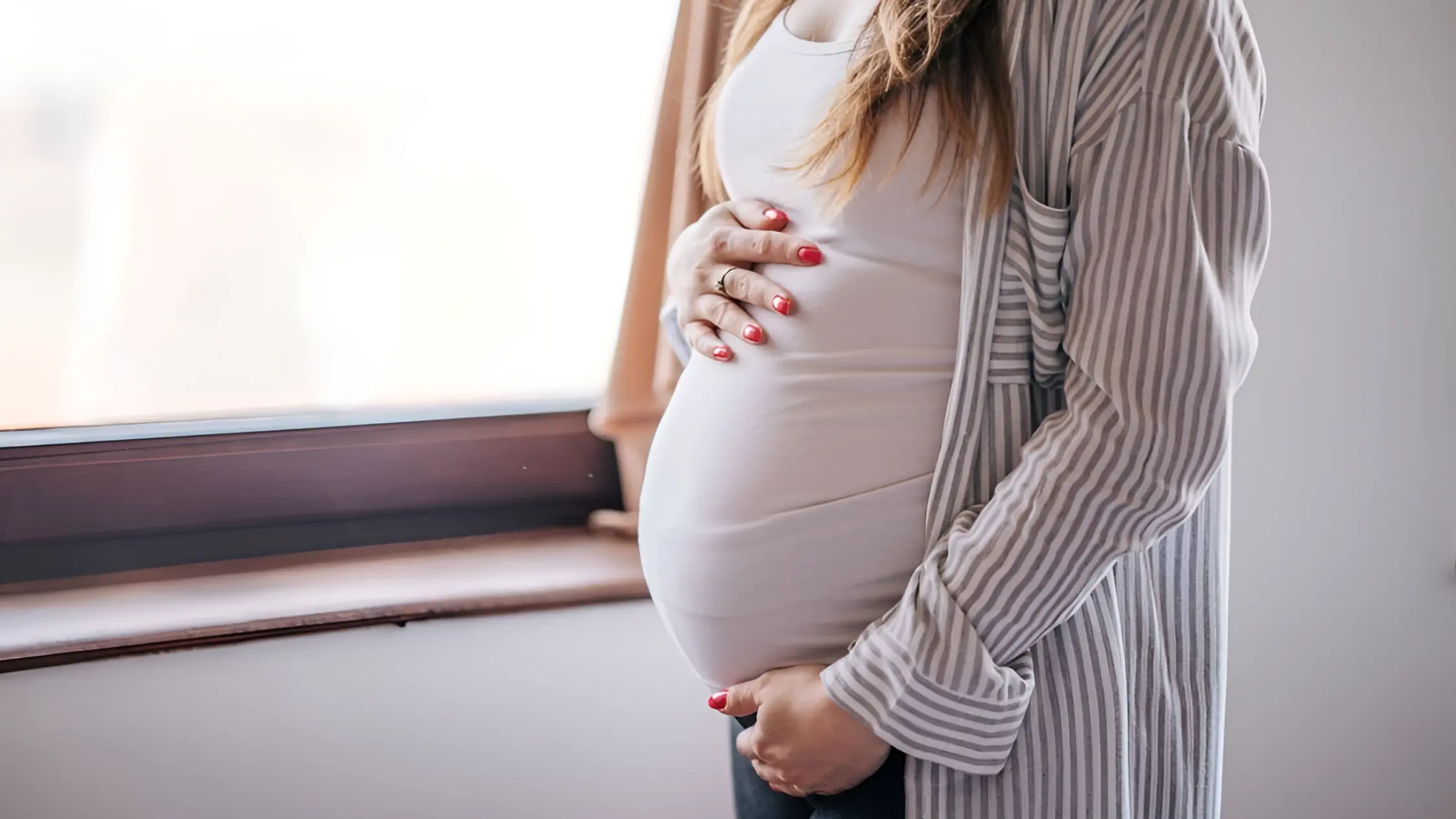
Are you searching for how to dress in pregnancy? When a woman is pregnant, her body changes a lot. This makes many moms-to-be wonder about clothes sizes, comfort tips, and what not to wear. They want outfits that feel good, give support, and look nice, even as their bodies grow fast.
Table of Contents
Dressing Up in Pregnancy: Classic Clothing Rules
Golden Rule
The golden rule is the main tip for dressing when pregnant. Always pick loose clothes made of airy cloth like cotton or bamboo. These stretch as your tummy grows bigger. They don’t squeeze your middle part, so blood flows well, you don’t feel too hot, and your skin doesn’t get red marks after taking off. Choose free-flowing tops like high-waist shirts or long maxi dresses. This keeps you comfy all day, helps you stand straight without tight belts, and controls body heat when hormones make you warmer.
Rule of Five
The rule of five is a simple way to pick sizes. Go up about five sizes total (like from M to XXL). This covers chest growing 1-2 sizes, hips 1-2, and tummy 1 size. It thinks of extra water in the body, bigger breasts from hormones, and the womb getting larger. No need to buy new clothes every week. Pick five easy-mix items every three months—like pregnancy jeans, vest tops, leggings, and feeding bras—for many outfits that fit as you grow, without wasting money.
5-5-5 Rule
The 5-5-5 rule starts after the baby comes: wait five weeks before driving, long baths, or hard work. For the last months of pregnancy, use it as a maximum of five layers (vest, long top, jacket) to stay cool, five super-loose outfits a day to cut swelling, and five support things like soft bras or tummy bands. It fights tiredness in the last stage by making choices easy, wearing less heavy clothes, and making easy movement for the toilet or small walks.
3-2-1 Rule
The 3-2-1 rule makes layering simple. Use three tops: airy base like a cotton vest, loose shirt for cover, outer shrug for change. Add two bottoms like stretch leggings and a wrap skirt. Finish with one nice thing, like a long necklace to look taller. From a few items, make many sets. It hides a growing tummy nicely and changes fast for rain or play, without losing hold or style.
Rule of 10
The rule of 10 says keep just 10 good, all-purpose clothes. Pick plain colours like black, navy, grey in stretch cloth (up to 30% give). Mix into 30+ looks for nine months. Fight “what to wear” worry with basics: five tops, three bottoms, two shoes. They last after baby and fit quick changes, better than cheap new buys.
5-5-1 Rule
The 5-5-1 rule sorts clothes by three months. Five main things (tees, leggings), five add-ons (scarf, belt, earrings), one fun piece (printed long dress). It stops boring looks, easy shopping by using old clothes sometimes, and mixes use with fun for a happy feel.
Pregnancy Clothing Size Tips
Pregnant ladies usually need 2-5 bigger dress sizes. Bras grow 2-3 cup sizes in the second three months. Bras stop fitting well around week 12, so get special ones. Always take bigger sizes, don’t squeeze old ones to stay comfy.
Dress sizes | 2-5 sizes | Step by step in nine months |
Bra cups | 2-3 sizes | From week 8-12 |
All clothes | Always bigger | From start |
Daily Practices and Dos/Don’ts Explained
Five Essentials
Pregnant women should daily prioritize the five essentials—hydration (8-10 glasses of water to combat dehydration from increased blood volume), short walks (20-30 minutes to improve circulation and reduce edema), nutrient-rich meals (five servings of fruits, veggies, proteins for fetal development), scheduled rest (five 10-minute breaks to alleviate back strain), and loose clothing (to prevent overheating and support mobility). Integrating these fosters overall well-being, minimizes common discomforts like constipation or fatigue, and complements dressing choices by emphasizing non-restrictive attire that enables active routines without chafing or slippage.
Recommended Dos
Embrace breathable cotton fabrics for moisture-wicking and skin health, empire-waist dresses that gather under the bust for bump accommodation without waist pressure, and supportive bras with wide straps and no underwire (measuring weekly for changes). These promote posture, reduce breast tenderness from tenderness surges, and allow seamless transitions to nursing postpartum, enhancing confidence and versatility across seasons.
Key Don’ts
Strictly avoid high heels beyond 1-inch lifts (they shift center of gravity, risking falls amid ligament loosening), synthetic tightwear like polyester leggings (traps heat, exacerbating infections), and digging undergarments (causes marks, circulation cuts, varicose veins). These restrictions safeguard vascular health, prevent skin issues, and align with relaxin hormone effects that widen joints.
What to Avoid in Pregnancy Clothing Explained
Tight Jeans
Tight jeans during pregnancy are harmful if restrictive on the abdomen, compressing the vena cava and reducing fetal oxygen via supine hypotensive syndrome; instead, choose panel-front maternity jeans with full-stretch panels that rise over the belly for support without binding. This swap maintains style while averting dizziness, bloating, or preterm risks from constant pressure.
What Not to Wear
Avoid corsets, non-stretchy belts, or anything impeding circulation, as they exacerbate swelling, promote clots, and hinder breathing from diaphragm pressure—opting for elastic alternatives ensures safety through all trimesters.
First 5 Weeks Avoid
In the first 5 weeks, skip synthetic underwear (harbors bacteria amid hormonal discharge spikes), heavy jewelry (overheats neck/chest), or fitted waists (irritates tender abdomen)—loose naturals prevent miscarriage risks from early overheating or strain.
Forbidden Items
Non-maternity shapewear and low-rise pants below the belly are forbidden, as they squeeze organs, restrict growth, and ignore pelvic shifts—maternity versions with breathable panels provide ethical contouring if desired.
Ending Words
Follow dress rules for pregnancy—like the golden rule of loose cloth, the rule of five for the right size, and no tight jeans or squeeze clothes. These make mummy comfy, blood flow good, and stand straight all nine months. Cut problems like swelling, a hot feeling, and big veins. Build a brave heart with easy-change clothes after the baby. Always ask the doctor for your fit—keep baby safe, look nice in big change time.
FAQ Section
Can I wear normal leggings in the third trimester?
Yes, if they have a good stretch and a high waist. But switch to maternity ones when tight on bump—they give better support without digging. Loose fit helps blood flow, no marks on skin.
How to layer clothes in hot weather during pregnancy?
Use a maximum of three light layers: cotton tank top, flowy tunic, light cardigan. Pick bamboo or linen for breathability—follow the 3-2-1 rule with airy joggers. Avoid heavy synthetics to stop a sweat rash.
What shoes for swollen feet in late pregnancy?
Flat comfy sandals or wide sneakers with a 1-inch heel. No tight straps—let feet breathe. Pair with loose outfits for easy walks and less back pain.
How reuse old dresses as maternity wear?
Size up tops with an extra wrap cardigan, and use a stretch slip skirt. Add the rule of 10 basics like leggings. Saves money, fits till the end if loose style.
Best colors for big bump outfits?
Neutrals like black, navy, and gray hide lines best. Add one bright scarf for fun. Golden rule fabrics in these stretch well and look slim.
Let’s explore more on Pregnancy Must –
- Stunning Maternity Photoshoot Dress Styles to Try for Picture-Perfect Moments
- 8 Cozy Maternity Jumpsuits – Make Your Bump the Star
- Pelvic Binder – 9 Supportive Picks for Moms in Pain