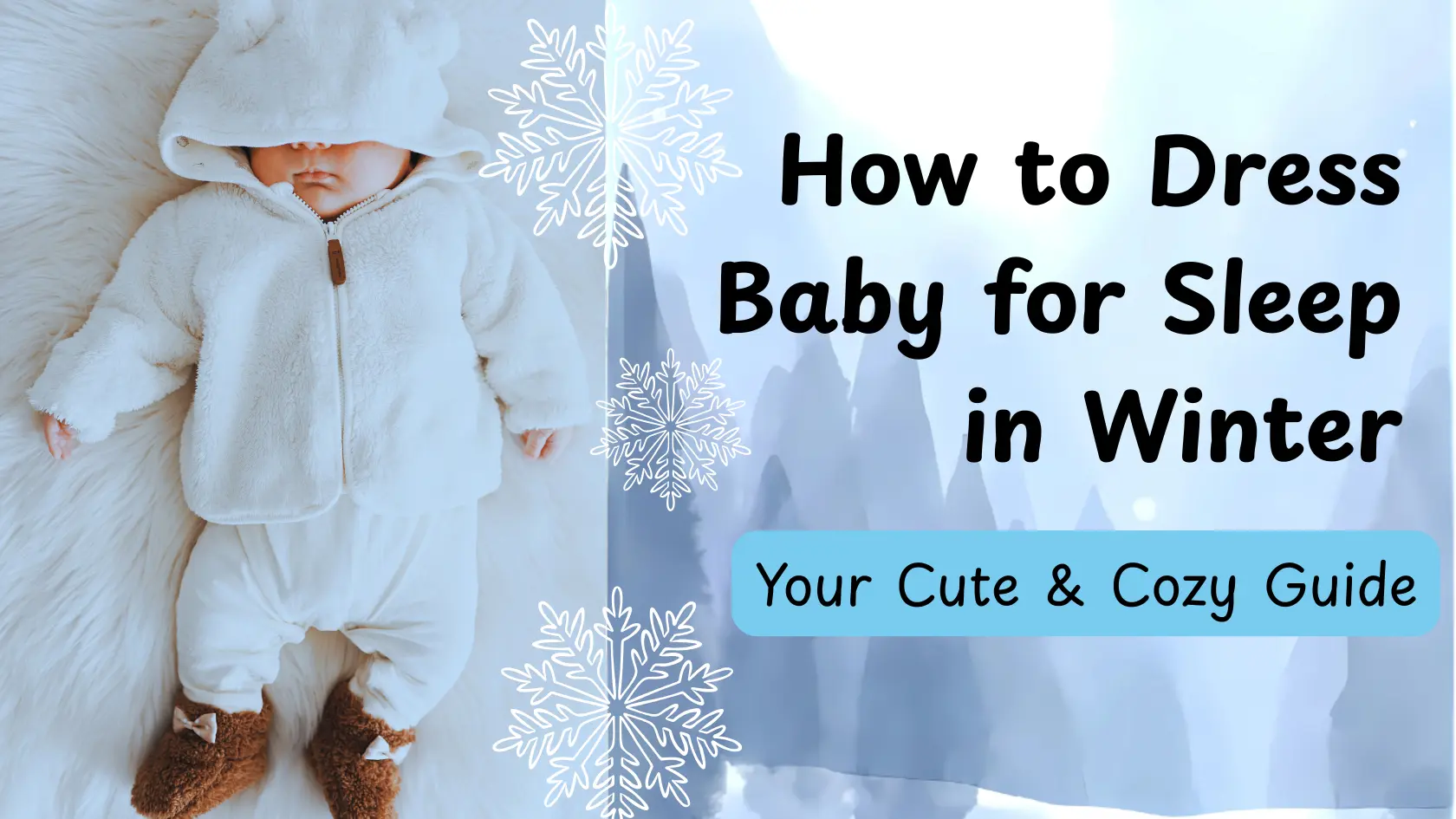

How to dress baby for sleep in winter is a crucial step to ensure your little one remains cozy, safe, and sleeps soundly throughout cold nights. Babies are sensitive to temperature changes, and dressing them appropriately is key to their comfort and health.
Table of Contents
Why Proper Winter Sleepwear for Babies Matters
Choosing the right winter baby sleepwear is essential because babies can’t regulate their body temperature like adults. Poor clothing choices can result in:
1. Interrupted Sleep
When a baby is too hot, too cold, or uncomfortable in their clothing, they may wake up frequently during the night. Interrupted sleep means the baby doesn’t get long stretches of rest, which can affect their growth, mood, and overall health. Proper layering and warm, breathable winter baby sleepwear help them sleep longer and more peacefully.
2. Fussiness or Irritability
Babies cannot tell you exactly what’s wrong, so when they feel uncomfortable due to temperature, tight clothing, or scratchy fabrics, they often become fussy or irritable. This fussiness may include crying, squirming, or refusing to settle down. Choosing soft, cozy fabrics and appropriate layers for baby winter sleep can reduce irritability and make bedtime easier for both baby and parents.
3. Overheating or Cold Stress
Babies are very sensitive to temperature extremes:
Overheating:
Can happen if the baby is dressed in too many layers or blankets. Signs include sweating, flushed cheeks, rapid breathing, and restlessness. Overheating can even increase the risk of SIDS (sudden infant death syndrome).
Cold Stress:
Happens when the baby is underdressed for the temperature. Signs include shivering, pale or bluish skin, and stiff limbs. Cold stress can make it hard for the baby to sleep and may affect health if prolonged.
Using the right combination of baby thermal clothing for night and sleep sacks for cold nights helps maintain a safe and comfortable body temperature.
Best Types of Baby Sleepwear for Winter
Here’s a guide to how to dress baby for sleep in winter using safe and cozy options:
1. Baby Sleeping Bags & Sleep Sacks
Baby sleeping bags for winter and baby sleep sacks for cold nights provide warmth without loose blankets. Look for options that are:
- Insulated or thermal for cold nights
- Sized correctly to avoid slipping over the baby’s head
- Lightweight yet cozy
2. Pajamas & Nightwear
Selecting the best pajamas for baby winter is about balancing warmth and breathability. Tips include:
- Use footed pajamas for extra warmth
- Opt for soft fabrics like cotton or thermal blends
- Layer with a onesie underneath for added comfort
3. Layering Clothes
Layers for baby winter sleep make it easy to adjust warmth:
Base Layer:
The base layer, typically a onesie or bodysuit, is worn directly against the baby’s skin. It provides comfort and a breathable foundation, keeping the baby warm without adding bulk. Soft cotton or other gentle fabrics are ideal, and a snug but non-restrictive fit allows the baby to move freely.
Middle Layer:
The middle layer, such as pajamas or sleepwear, adds extra warmth over the base layer. Footed pajamas, thermal suits, or soft cotton sleepwear are common choices. This layer insulates the baby while maintaining flexibility and comfort, ensuring the baby stays cozy throughout the night.
Outer Layer:
The outer layer, like a sleep sack or swaddle, goes over the sleepwear to provide additional warmth safely. Sleep sacks act as wearable blankets, avoiding the risks of loose bedding, while swaddles are perfect for younger babies who need gentle security. This layer protects against chills and can be adjusted according to room temperature and the baby’s activity level.
Safe Sleep Practices in Winter
Ensuring safe sleep for baby in cold weather is just as important as the clothing itself. Key practices:
1. Maintain a Baby Bedroom Temperature Around 21°C
Keeping the nursery at a stable temperature helps your baby sleep safely and comfortably. In winter, rooms can get chilly, but overheating is also dangerous. A narrative review by Bach and Libert (2022) highlights that maintaining the room around 21°C offers an ideal balance of warmth and safety for reducing heat-related SIDS risks. Using a room thermometer can help ensure the temperature stays consistent throughout the night.
2. Avoid Loose Blankets, Pillows, or Toys in the Crib
Loose bedding and soft objects in the crib can greatly increase the risk of suffocation or SIDS. According to a Pediatrics study (Erck Lambert et al., 2019), 14% of sudden unexpected infant deaths involve suffocation. To keep your baby warm and safe, skip loose blankets and use wearable options like sleep sacks or footed pajamas instead. A clear crib with only a fitted sheet remains the safest sleep setup.
3. Use Swaddling Carefully
Swaddling can provide comfort and a sense of security, but it must be done safely, especially in winter. Use a breathable material to prevent overheating, and ensure the swaddle is snug around the upper body but loose around the hips and legs to allow movement. Always place the baby on their back to sleep.
4. Check the Baby’s Neck or Chest for Warmth
Hands and feet often feel cooler than the core, so don’t rely on them to judge if your baby is too cold or hot. Instead, gently touch the baby’s neck or chest—these areas give a better indication of overall warmth. The skin should feel comfortably warm, not hot or sweaty.
Cozy Baby Sleep Outfit Ideas
Creating cozy baby sleep outfits can be simple:
1. Long-sleeve onesie + footed pajamas + sleep sack
This is a classic, safe combination for cold nights:
• Long-sleeve onesie: Serves as a soft, breathable base layer that keeps the baby comfortable while allowing easy movement. It also helps wick moisture away, preventing the baby from feeling clammy.
• Footed pajamas: Add warmth to the whole body, including feet, so no socks are needed. They ensure the baby stays cozy from head to toe and reduce the risk of cold feet, which can disturb sleep.
• Sleep sack: Acts as the outer layer, keeping the baby cozy while eliminating the need for blankets, which can be unsafe. It allows the baby to move legs and arms freely while maintaining consistent warmth.
Each layer adds warmth without restricting movement, promotes safe sleep, and keeps the baby snug all night.
2. Thermal bodysuit + soft cotton pajamas + swaddle
This combination is ideal for very cold nights or newborns:
• Thermal bodysuit: Retains body heat and keeps the baby warm even in a slightly cooler room. Its insulating properties help prevent chills without making the baby overheat.
• Soft cotton pajamas: Comfortable, breathable layer that prevents overheating while adding a gentle, protective layer over the thermal bodysuit. Cotton helps regulate temperature and feels soft against delicate skin.
• Swaddle: Adds a gentle, secure layer that mimics the feeling of being held, helping the baby sleep longer. It provides comfort and security while keeping arms contained, reducing the startle reflex that can wake a newborn.
The thermal layer keeps the baby warm, the cotton layer provides breathability, and the swaddle promotes secure, restful sleep.
3. Pajamas with built-in mittens for very cold nights
For extremely cold environments, pajamas with built-in mittens are very helpful:
• Built-in mittens: Keep hands warm and prevent scratching the face, which is common in newborns. They also remove the need for separate gloves that can slip off.
• Pajamas: Provide overall warmth and comfort, covering the entire body with a single layer to simplify dressing. Often made of soft, insulating material, they keep the baby cozy throughout the night.
The built-in mittens reduce the need for extra hand layers while keeping the baby warm and cozy, and these combinations ensure overall warmth without compromising safety or freedom of movement.
How Many Layers Should You Use?
Parents often wonder, how many layers for baby sleep winter is appropriate. Here’s a simple guide:
| Room Temperature | Suggested Layers | Additional Tips |
| 68–70°F | Onesie + sleep sack | Comfortable for most babies |
| 65–68°F | Onesie + pajamas + sleep sack | Consider thermal pajamas |
| Below 65°F | Thermal onesie + pajamas + sleep sack | Monitor for overheating |
Choosing the Right Materials
Materials play a vital role in keeping babies warm:
1. Cotton
Cotton is soft, lightweight, and breathable, making it ideal for newborn sleep clothes winter. It allows air to circulate, reducing the risk of overheating. Cotton is gentle on delicate baby skin, minimizing irritation or rashes. It’s perfect for base layers or onesies.
2. Fleece
Fleece is thicker and provides excellent insulation, keeping babies warm on cold nights. However, it can trap heat, so too many fleece layers may lead to overheating. Fleece works well as an outer layer, like in baby sleep sacks for cold nights, but should be paired with breathable inner layers like cotton.
3. Wool Blends
Wool blends are naturally warm and cozy, ideal for extremely cold weather. They retain heat even if slightly damp, which can be helpful in very cold nurseries. However, some wool fibers can be itchy or irritate sensitive skin, so make sure the material is soft or layered over cotton. Wool is best used as an outer layer, not directly on the skin.
Here’s a clear, parent-friendly fabric comparison table
| Fabric Type | Warmth Level | Breathability | Best Use in Baby Sleepwear | Notes / Cautions |
| Cotton | Low–Medium | High | Base layer, onesies, pajamas | Soft, gentle on skin, prevents overheating |
| Fleece | Medium–High | Medium | Outer layer, sleep sacks, cold nights | Provides warmth, avoid excessive layers to prevent overheating |
| Wool Blends | High | Medium–Low | Outer layer for very cold nights | Soft wool is best; avoid itchy fibers touching skin |
Extra FAQs for Winter Baby Sleep
Q: Can my baby wear a hat at night?
Hats are generally not recommended for sleeping because they can slip over the face. Keep the room warm instead.
Q: How do I know if my baby is too hot?
Signs include sweating, flushed cheeks, or rapid breathing. Remove a layer immediately.
Q: Are mittens necessary for winter sleep?
Only if the baby scratches themselves or the room is extremely cold. Otherwise, hand coverings may not be needed.
Q: Can I use electric blankets or heaters?
No, avoid electric blankets in the crib. Use a safe room heater and monitor the nursery temperature.
Q: Should newborns be swaddled in winter?
Yes, but use lightweight, breathable swaddles. Avoid heavy or thick blankets to reduce overheating risk.
Conclusion
Understanding how to dress baby for sleep in winter helps you keep your little one warm, comfortable, and safe through cold nights. By choosing breathable layers, cozy sleepwear, and following safe sleep practices, you can maintain the right temperature without risking overheating. With thoughtful layering and the right materials, your baby can sleep soundly and securely all winter long.
Explore more on Pregnancy Must –
- How Did You Learn to Take Care of Your First Baby?- A New Mom Guide
- Precipitous Birth: What No One Tells You About Rapid Delivery
- How Long Does Sleep Regression Last? – Mastering Baby’s Sleep Struggles